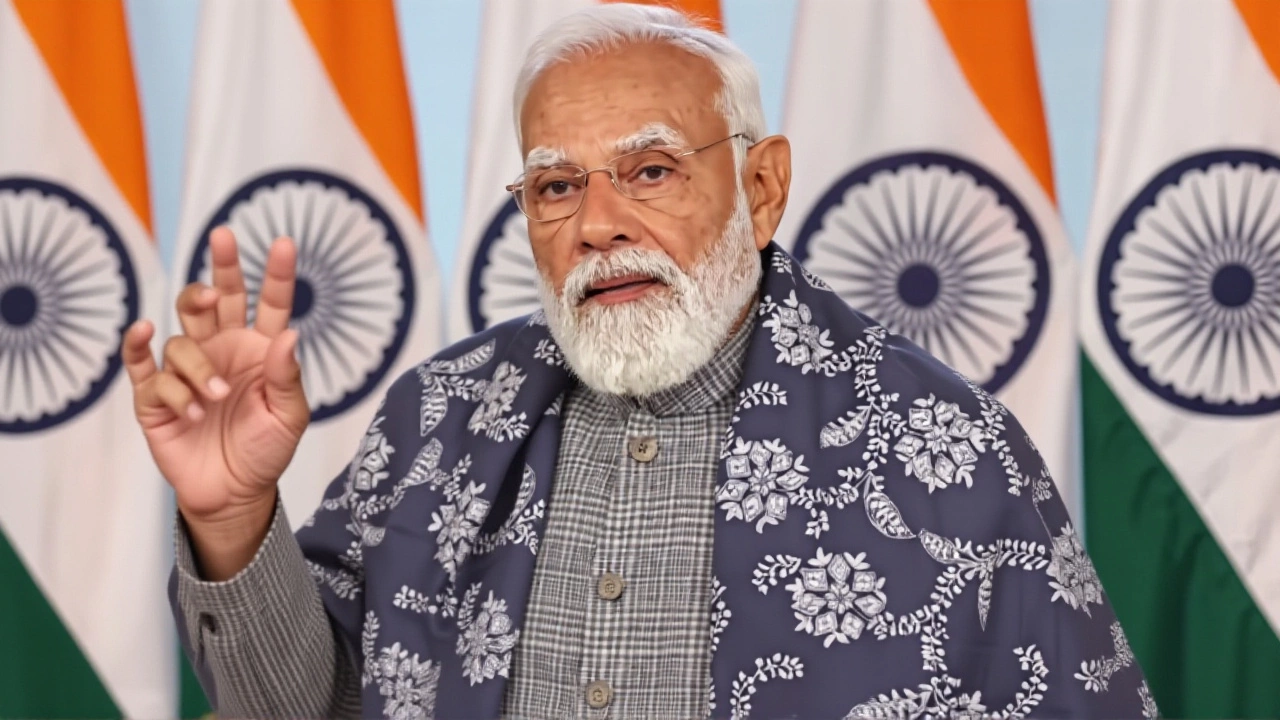
When Narendra Modi, Prime Minister of India, addressed the aviation world from Delhi on January 28, 2026, he didn't just open an event—he outlined a blueprint for turning India into a global aerospace powerhouse. Speaking via video message to inaugurate Wings India 2026Begumpet Airport, Hyderabad, Asia’s largest civil aviation conference, Modi highlighted staggering growth metrics that signal a seismic shift in the country's infrastructure landscape.
The twist? This wasn’t merely a ceremonial opening. It was a declaration of intent. With delegates from over 17 countries gathered at Hyderabad, the Prime Minister’s address served as both a progress report and a future roadmap, emphasizing indigenous manufacturing and aggressive expansion of air connectivity.
A Decade of Dramatic Growth
Here’s the thing: the numbers Modi presented are hard to ignore. He noted that India has emerged as the world’s third-largest domestic aviation market. But it’s not just about passenger volume; it’s about the skeleton supporting those flights. In just the last decade, the number of airports in India has more than doubled, crossing the psychological barrier of 100 operational facilities.
But wait—there’s more. The government has activated over 100 aerodromes across the nation. Think about what that means for regional connectivity. Small towns that were once isolated are now part of a national air network. This isn’t incremental change; it’s structural transformation. The focus has shifted from mere accessibility to creating a robust ecosystem where design, deployment, manufacturing, and maintenance all happen under one roof.
The Big Announcement: Indigenous Aircraft
The most electrifying moment of the address came when Modi declared that India will soon build its own civilian passenger aircraft. For decades, this sector has been dominated by giants like Boeing and Airbus. The announcement signals a bold move toward self-reliance (Atmanirbhar Bharat) in high-tech manufacturing.
This isn’t happening in a vacuum. The theme of Wings India 2026—“Indian Aviation: Paving the Future”—focused heavily on innovation and sustainability. By aiming to manufacture planes domestically, India hopes to reduce dependency on imports, create high-skilled jobs, and eventually export technology. Industry experts view this as a critical step toward becoming a net exporter of aerospace components rather than just a consumer.

Global Attention on Indian Aviation
Why does this matter globally? Because investors are watching. With orders placed for over 1,500 airplanes recently, Indian airlines are expanding fleets faster than ever before. The presence of representatives from the Middle East and other Asian nations at the Hyderabad event underscores the region’s interest in partnering with India’s growing aviation sector.
The conference itself acted as a magnet for global stakeholders. From policy makers to manufacturers, everyone was there to see how India plans to handle the logistical challenges of scaling up. The sheer scale of participation—over 17 countries involved—suggests that India is no longer just a market but a potential hub for aviation innovation in Asia.
Future Horizons: 400 Airports?
Looking ahead, the ambition is even higher. Modi mentioned a long-term vision of having over 400 airports in India. While no specific timeline was provided during the speech, the implication is clear: the current infrastructure boom is just the beginning. This expansion aims to connect remote areas, boost tourism, and stimulate local economies through better logistics.
Critics might argue about the financial viability of maintaining hundreds of smaller airports, but proponents point to successful models like the UDAN scheme, which has already connected several unserved districts. The challenge now lies in ensuring safety, sustainability, and profitability as the network expands.

Background: From Niche to Mainstream
To understand the magnitude of this event, consider the context. Ten years ago, civil aviation was often seen as a luxury or a niche industry. Today, it’s described by state media like New India Express as one of the fastest-growing sectors in the country. The shift reflects broader economic trends where mobility equals opportunity.
Wings India has become the premier platform for these discussions. By hosting it in Hyderabad—a city known for its tech parks and emerging industrial base—the organizers signaled a desire to integrate aviation with technology and manufacturing. The event brought together diverse voices, from union leaders to startup founders, all aligned under the National Democratic Alliance’s (NDA) broader development agenda.
Frequently Asked Questions
What is the significance of Wings India 2026?
Wings India 2026 is Asia’s largest civil aviation conference, serving as a key platform for discussing policy, innovation, and investment in the sector. Held in Hyderabad, it attracted delegates from over 17 countries, highlighting India’s growing role as a central hub for aviation dialogue and business in the region.
Did PM Modi announce any new policies during the event?
Yes, the most significant announcement was that India will soon manufacture its own civilian passenger aircraft. This marks a major shift toward indigenous production in the aerospace sector, reducing reliance on foreign manufacturers and boosting domestic engineering capabilities.
How many airports does India currently have?
According to PM Modi’s address, the number of operational airports in India has crossed 100, representing more than a doubling of capacity over the last decade. Additionally, over 100 aerodromes have been activated to support regional connectivity.
What is the future target for airport infrastructure in India?
The long-term vision outlined by the Prime Minister includes establishing over 400 airports across the country. This ambitious goal aims to enhance connectivity to remote areas and support economic growth through improved logistics and travel access.
Why is India considered the third-largest domestic aviation market?
India holds this position due to rapid growth in passenger traffic, fleet expansion, and increased affordability of air travel. Recent orders for over 1,500 airplanes by Indian airlines further solidify its status as a dominant force in domestic aviation globally.